
Follow the Child
Everyone is a teacher and a learner

Children are one of the most marginalized groups in society. Not that long ago children were literally meant to make themselves partially invisible (be seen and not heard). Practicing hospitality with children is therefore sacred work. By offering the gift of fearlessness, we help them grow in confidence, explore who they are becoming, and discover that they are beloved in a world much larger than themselves.
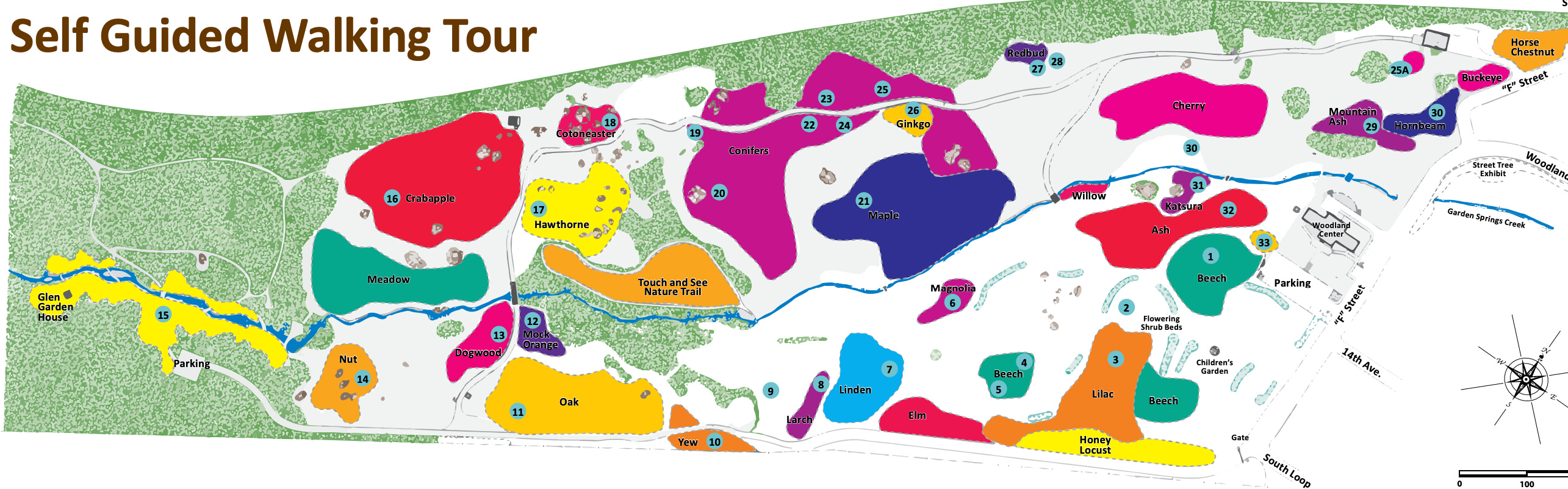
I was fortunate to attend a Montessori school set within an arboretum, an enchanted place where the willow tree greeted us with open branches and the path to Corey Glen wound through crabapple orchards and meadows of flowers. In that magical space, I first experienced what it means to “follow the child” (the foundation of Montessori philosophy), an openness that allowed us to be fearlessly ourselves and grow in curiosity and care.
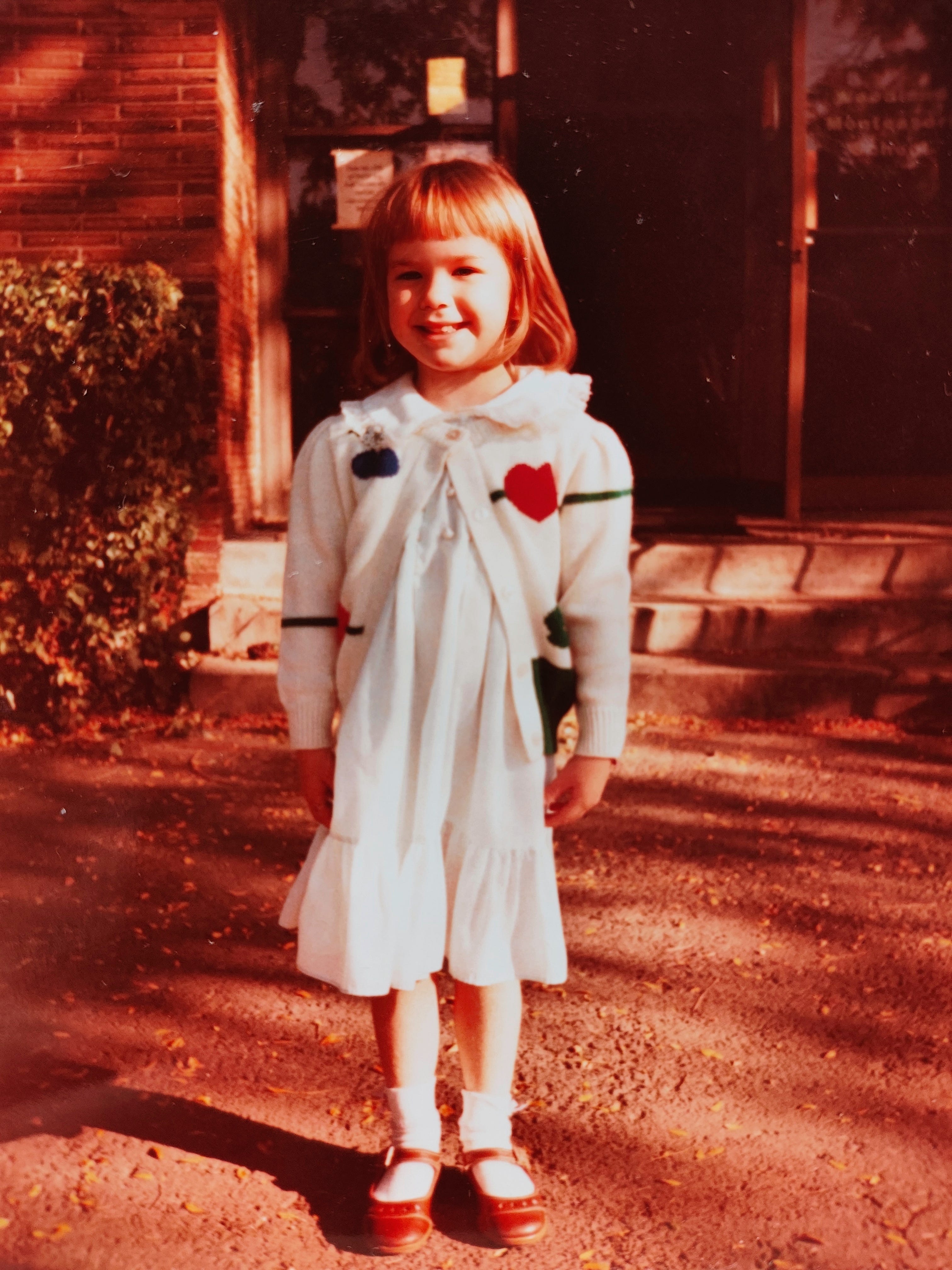
I remember once, as a kindergartener, our class decided we wanted to take a nap like the younger preschoolers. Instead of dismissing us, our teachers laughed, invited our parents to send blankets and stuffed toys, and helped us make it happen. They listened and encouraged us to imagine the world we wanted to see, one where everyone could have a nap.
Just as in hospitality we hear “one size fits one,” Montessori education is built on curiosity. “Following the child” mirrors the way hospitality invites us to follow the person before us, to see their unique needs and gifts, and to accompany them in growth. Both are creative, persistent pursuits of relationship.
Montessori too relies on being curious about each child. Following the Child also echoes with our insistence that hospitality is the creative, persistent pursuit of relationship. Meaning that even if the children want to have a nap day, teachers listen, and engage with the children’s interests and needs.
In Montessori peer teaching is central, everyone is a teacher and a learner. As a kindergartener helping younger students, I began to learn what I now call courageous hospitality: an openness to another’s learning and the humility to keep learning myself.
It’s easy for adults to control children, to push them aside, correct them, or force them to fit into “grown up” expectations. But hospitality with children requires letting go of our own fears and judgments so that they can feel free to be themselves. This letting go is a spiritual discipline, one that reveals as much about our own belovedness as theirs. As we heard in my conversation with my dad, both King and Gandhi taught that grounding ourselves in our own belovedness calls others to know theirs as well. This is just as true for children.
As an adult, how do you show hospitality to a child? How do you gift them fearlessness, so that they can know their own belovedness and feel belonging in a world so much bigger than them?
This past summer, my preschool teacher, Pat, came to the parish I now serve. She was visiting family and decided to join us for Sunday worship. Greeting her outside our red door felt like a circle closing, the child welcomed by her teacher now welcoming her teacher as guest.
That Sunday I led a Living Stories sermon, a Montessori inspired way of telling the Gospel story, with “wondering” questions similar to Godly Play. In the Episcopal Church we understand everyone is a teacher and everyone is a learner, a truth deeply aligned with the hospitality I first experienced in those early classrooms.
My teachers once explored the world with me under willow trees and beside duck ponds, teaching me that curiosity and courage reveal our infinite worth. Years later, as Pat left the church smiling, she said, “It was such a Montessori experience!”
It absolutely was. It was an experience of hospitality. And I learned from the best.
Love this! I am learning so much about curiosity and wonder from my daughters as they have a Montessori experience. Following the child is absolutely wisdom for life.